Hey there! I’m a supplier of electric air compressors, and I’ve been getting a bunch of questions lately about how to improve the air delivery of these machines. So, I thought I’d put together this blog post to share some tips and tricks that I’ve picked up over the years. Electric Air Compressor
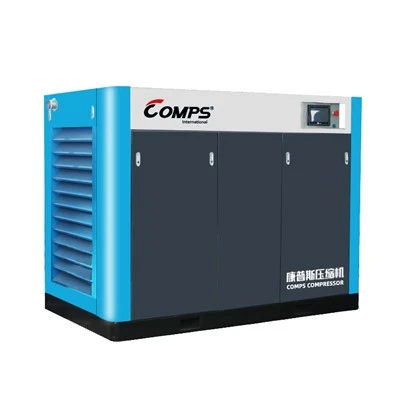
First off, let’s talk a bit about what air delivery means. Essentially, it’s the amount of air that your compressor can produce in a given amount of time, usually measured in cubic feet per minute (CFM). The higher the CFM, the more air your compressor can deliver, which means it can power more tools and equipment at the same time.
Now, let’s get into the tips.
1. Choose the Right Compressor Size
This might seem like a no-brainer, but it’s actually one of the most important factors in determining air delivery. If you choose a compressor that’s too small for your needs, it won’t be able to deliver enough air, and you’ll end up with tools that don’t work properly. On the other hand, if you choose a compressor that’s too big, you’ll be wasting energy and money.
So, how do you choose the right size? Well, it depends on a few things, like the type of tools you’ll be using and how often you’ll be using them. As a general rule of thumb, you’ll want to choose a compressor with a CFM rating that’s at least 30% higher than the total CFM requirements of your tools. For example, if your tools require a total of 10 CFM, you’ll want to choose a compressor with a CFM rating of at least 13 CFM.
2. Keep the Compressor Clean
Another important factor in air delivery is the cleanliness of your compressor. Over time, dust, dirt, and other debris can build up inside the compressor, which can restrict the flow of air and reduce its efficiency. To keep your compressor running smoothly, you’ll want to clean it regularly.
Start by cleaning the air filter. This is usually located on the side or top of the compressor, and it’s responsible for filtering out dust and debris from the air before it enters the compressor. Depending on how often you use your compressor, you may need to clean or replace the air filter every few months.
Next, clean the compressor tank. This is where the compressed air is stored, and it can also collect dust and debris over time. To clean the tank, you’ll need to drain the air and water from it, then use a brush or cloth to wipe down the inside of the tank.
Finally, clean the compressor’s cooling fins. These are located on the outside of the compressor, and they’re responsible for dissipating heat. If the cooling fins are clogged with dust and debris, the compressor can overheat, which can reduce its efficiency and even cause it to break down. To clean the cooling fins, you can use a compressed air gun or a soft brush.
3. Check the Pressure Settings
The pressure settings on your compressor can also have a big impact on its air delivery. If the pressure is set too low, the compressor won’t be able to deliver enough air, and your tools won’t work properly. On the other hand, if the pressure is set too high, the compressor can overheat and wear out more quickly.
To check the pressure settings, you’ll need to use a pressure gauge. This is usually located on the front of the compressor, and it will show you the current pressure inside the tank. You’ll want to set the pressure to the recommended level for your tools. This information can usually be found in the tool’s user manual.
4. Use the Right Hoses and Fittings
The hoses and fittings that you use with your compressor can also affect its air delivery. If you use hoses that are too small or too long, the air flow can be restricted, which can reduce the amount of air that your compressor can deliver. On the other hand, if you use hoses that are too big, you’ll be wasting energy and money.
To choose the right hoses and fittings, you’ll need to consider the CFM requirements of your tools, as well as the length and diameter of the hoses. As a general rule of thumb, you’ll want to choose hoses that are at least 3/8 inch in diameter and no longer than 25 feet. You’ll also want to use fittings that are the same size as the hoses.
5. Maintain the Compressor’s Belts and Pulleys
If your compressor has belts and pulleys, it’s important to keep them in good condition. Over time, the belts can stretch and wear out, which can reduce the efficiency of the compressor. To maintain the belts and pulleys, you’ll want to check them regularly for signs of wear and tear, and replace them if necessary.
You’ll also want to make sure that the belts are properly tensioned. If the belts are too loose, they can slip, which can reduce the speed of the compressor and its air delivery. If the belts are too tight, they can cause the compressor to work harder, which can increase the risk of overheating and wear and tear.
6. Upgrade the Compressor’s Components
If you’re still not getting enough air delivery from your compressor, you may want to consider upgrading some of its components. For example, you can upgrade the air intake filter to a high-efficiency filter, which can allow more air to enter the compressor. You can also upgrade the compressor’s motor to a more powerful one, which can increase its speed and air delivery.
Of course, upgrading the components of your compressor can be expensive, so you’ll want to make sure that it’s worth the investment. You may want to consult with a professional compressor technician to see if upgrading the components is a good option for you.
7. Train Your Employees
If you’re using your compressor in a commercial or industrial setting, it’s important to train your employees on how to use it properly. This includes how to start and stop the compressor, how to adjust the pressure settings, and how to maintain the compressor.
By training your employees, you can ensure that they’re using the compressor safely and efficiently, which can help to improve its air delivery and extend its lifespan.
Conclusion
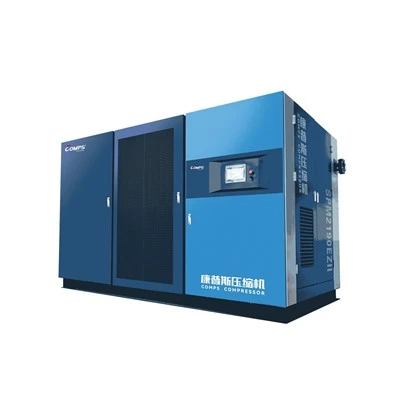
Improving the air delivery of an electric air compressor is all about choosing the right size, keeping it clean, checking the pressure settings, using the right hoses and fittings, maintaining the belts and pulleys, upgrading the components if necessary, and training your employees. By following these tips, you can ensure that your compressor is running smoothly and delivering the air that you need to power your tools and equipment.
Electric Air Compressor If you have any questions about how to improve the air delivery of your electric air compressor, or if you’re interested in purchasing a new compressor, please don’t hesitate to contact me. I’d be happy to help you find the right compressor for your needs and provide you with any additional information that you may need.
References
- Compressed Air and Gas Institute (CAGI). (n.d.). Compressed air system basics. Retrieved from [Compressed Air and Gas Institute website]
- Quincy Compressor. (n.d.). How to choose the right air compressor. Retrieved from [Quincy Compressor website]
- Ingersoll Rand. (n.d.). Air compressor maintenance tips. Retrieved from [Ingersoll Rand website]
Comps Compressor (Shijiazhuang) Co., Ltd.
As one of the most professional electric air compressor manufacturers and suppliers in China, we’re featured by quality products and good price. Please rest assured to buy customized electric air compressor made in China here from our factory. Also, pricelist is available.
Address: No.172, Nanche Road, Shijiazhuang Equipment Manufacturing Industrial Park, Luancheng District, Shijiazhuang City, Hebei Province
E-mail: kpswmb@kangpusi.com
WebSite: https://www.comps-compressor.com/
