As a supplier of lithium battery chargers, I’ve spent thousands of hours troubleshooting issues that stem from misusing not just the chargers we manufacture, but also the batteries they’re paired with. Last quarter, we had a customer reach out in a panic after their electric scooter’s battery swelled so badly it warped the casing—turns out they’d used a random charger from a old drill for a quick top-up, not realizing the voltage and current mismatch would turn a routine charge into a safety hazard. That story isn’t an anomaly; it’s a reminder that lithium battery chargers aren’t one-size-fits-all accessories, and cutting corners on safety can lead to costly, even dangerous, outcomes. Let’s break down the critical precautions we’ve learned to share with our customers and anyone handling lithium chargers. Lithium Battery Charger
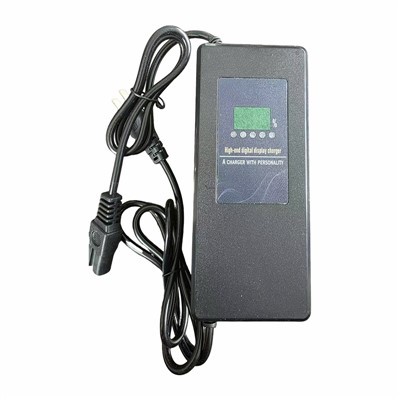
First, and non-negotiable: always match your charger to your specific lithium battery chemistry and specifications. Lithium batteries aren’t a single group—there are lithium-ion (Li-ion), lithium-polymer (LiPo), lithium-iron-phosphate (LiFePO4), and more, each with unique charge requirements. A Li-ion battery, common in phones and laptops, typically needs a 4.2V full charge per cell, while LiFePO4 cells require a 3.65V full charge. Use the wrong charger, and you’re either undercharging, which shortens cycle life, or overcharging, which generates excess heat and gas buildup inside the battery. Over time, that gas causes swelling, and in extreme cases, thermal runaway—a chain reaction where heat speeds up internal chemical reactions, leading to fire or explosion. We see this most often with hobbyists using generic chargers for LiPo drone batteries: a 2S LiPo needs a 8.4V charger, but a 7.4V charger for a 2S Li-ion will leave it undercharged, while an 8.7V charger will overtax it. That’s why at our company, we design chargers with built-in microprocessors that detect the battery’s chemistry through its BMS (Battery Management System)—but even with that, it’s never safe to plug in a charger made for a different battery type, no matter how convenient it seems.
Next, never leave a charging lithium battery unattended—especially during the first charge, after a deep discharge, or when charging in extreme temperatures. We’ve all multitasked while charging, whether it’s running errands or sleeping, but lithium batteries are vulnerable when connected to a charger. Most modern chargers have overheat protection, but they’re not infallible. Last year, a customer in Germany reported a small fire after leaving a power tool battery charging overnight on a cluttered workbench; the battery’s casing had a tiny manufacturing flaw, and without supervision, the fire spread before their smoke alarm went off. Temperature is a big factor here too: lithium batteries charge optimally between 0°C and 45°C (32°F to 113°F). Charge below freezing, and the battery’s internal resistance spikes, causing excess heat; charge above 45°C, and you’re accelerating the breakdown of the electrolyte, which can lead to leakage or fire. We recommend charging on a non-flammable surface—like a concrete slab, a metal tray, or a certified fire-resistant charging mat—never on couches, beds, cardboard, or grass. It’s a small change that adds a huge layer of safety.
Don’t modify your charger or use damaged accessories. It might be tempting to splice a longer charging cable or use a third-party plug, but every modification compromises the safety features built into our chargers. Our chargers are tested to meet global safety standards—CE, UL, RoHS—with fuses, current regulators, and overcharge protection. Damaged parts, like frayed charging cables, bent prongs, or cracked charger casings, can expose internal wiring, leading to short circuits. A frayed cable might look harmless, but it can cause a sudden surge in current that damages the battery or starts a fire. If your charger shows signs of wear—fraying, weird smells, or unusual noises during charging—replace it immediately. We have a customer who runs a fleet of electric bikes; their maintenance team checks every charger monthly for damage, and they’ve cut charging-related incidents by 90% since implementing that rule.
Proper storage is another precaution many people overlook, especially if they’re not using their charger or battery for a while. Lithium chargers should be stored in a cool, dry place, away from direct sunlight and moisture. Moisture is a silent killer: even a small amount of water inside a charger can cause a short circuit when you plug it in. If you’ve stored a charger in a garage or shed during the rain, let it air out completely for 24 hours before using it. As for the charger connected to a battery, never leave a fully charged battery plugged in for days on end. Most modern chargers will switch to a trickle charge once the battery is full, but some cheaper models won’t—and even trickle charging over weeks can degrade the battery’s capacity and create small amounts of gas that build up inside the casing. We advise disconnecting the battery once it reaches 100% charge, especially for larger systems like RVs or solar storage batteries that might be charged over days.
Don’t use damaged or recalled batteries with your charger. Your charger is only as safe as the battery it’s paired with. A damaged battery—one with a swollen casing, leaked electrolyte, or past physical damage (like a dropped laptop battery)—can’t be charged safely, no matter how good your charger is. A swollen battery is a sign of internal damage, and charging it will only make that damage worse. If your battery has a BMS, it might shut down charging to prevent damage, but many cheaper batteries don’t have that protection. Recalled batteries are another risk: in 2023, the Consumer Product Safety Commission (CPSC) recalled over 2 million lithium-ion power tool batteries because of a defect that caused overheating. Check the CPSC website (or equivalent in your country) periodically for recalls on batteries and chargers, and if you have a recalled item, stop using it immediately. For our part, we test every charger we make with batteries from reputable manufacturers, but we always advise customers to pair our chargers with high-quality, certified batteries to minimize risk.
We also recommend learning to read your charger’s indicators. Most modern chargers have LED lights that tell you the charge status: a solid green light means fully charged, a blinking red means charging, a solid red might mean an error (like a voltage mismatch or overheating). If the light is flashing a color you don’t recognize, or if it takes way longer than usual to charge, unplug the charger and check for issues. We’ve had customers reach out thinking their charger was broken, only to find they’d plugged in a battery with a dead cell, or the charger was in a temperature too cold for optimal charging. Our support team spends a lot of time walking customers through these checks, and it’s helped us prevent countless potential hazards.
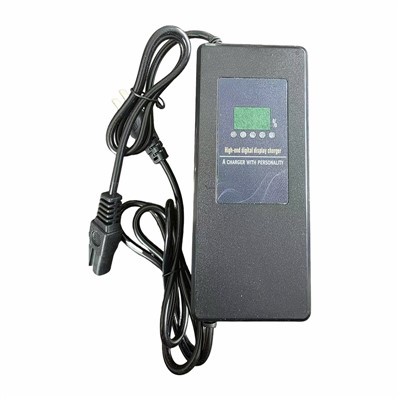
At the end of the day, lithium batteries and their chargers are incredibly useful for everything from phones and electric bikes to solar storage and electric vehicles, but they demand respect. Cutting corners on matching the right charger, leaving charges unattended, ignoring damage, or misusing accessories isn’t just a risk to your device—it’s a risk to your safety and your property. As a supplier, our job isn’t just to sell chargers; it’s to help our customers use them safely. If you’re in the market for a reliable, safe lithium battery charger for your specific needs—whether it’s for a small electric scooter, a solar panel system, or a fleet of power tools—we’re here to help you find the right fit. Our team can walk you through the technical specifications, answer any safety questions you have, and provide products that meet all global safety standards. Don’t compromise on safety—reach out to us to discuss your charger needs today.
Battery Charger References
- U.S. Consumer Product Safety Commission. (2022). Lithium-Ion Battery and Charger Safety.
- International Electrotechnical Commission. (2021). IEC 62368-1: Audio/Video, Information and Communication Technology Equipment – Safety Requirements.
- Battery University. (2023). Lithium-Ion Charger Basics and Safety.
- European Committee for Standardization. (2022). EN 60335-2-29: Safety of Household and Similar Electrical Appliances – Part 2: Particular Requirements for Battery Chargers.
Tianchang Hengze Technology Co., Ltd.
With abundant experience, we are one of the most professional lithium battery charger manufacturers and suppliers in China. Please rest assured to buy bulk lithium battery charger made in China here from our factory. If you have any enquiry about quotation, please feel free to email us.
Address: No. 8 Sanxing Road, Qinlan Town Industrial Park, Tianchang City, Chuzhou City, Anhui Province, P.R. China
E-mail: 604894957@qq.com
WebSite: https://www.hengzebc.com/
