Hey there! I’m an actual person here, working as a supplier for VALVE. You know, when it comes to game server outages, it’s a pretty big deal for gamers and game companies alike. And VALVE, well, they’ve got their own ways to handle these situations, which I’ve kinda got a front – row seat to as a supplier. VALVE

First off, let’s talk about what causes these server outages in the first place. It can be anything from hardware failures to DDoS attacks. Hardware issues are a bummer because they’re often unexpected. A hard drive might just give up the ghost, or a power surge could fry some critical components. DDoS attacks, on the other hand, are a malicious form of annoyance. Hackers try to flood the servers with so much traffic that they can’t handle legitimate player requests, leading to those infuriating "server unavailable" messages.
When a server outage hits, the first thing VALVE does is detect it. They’ve got a bunch of monitoring tools in place. These tools are constantly checking the servers’ health, looking at things like CPU usage, memory allocation, and network traffic. If something goes off – kilter, an alert goes out to the team. It’s like a fire alarm in a building; as soon as it rings, everyone knows there’s a problem and needs to spring into action.
Once the outage is detected, the next step is to figure out what’s going on. The tech team gets right on it, diving into the data. They look at network logs to see if there’s been any strange traffic patterns, which could indicate a DDoS attack. If it’s a hardware issue, they’ll check the sensors in the servers to see where exactly the problem lies. It’s like they’re detectives, trying to solve a mystery.
For DDoS attacks, VALVE has some pretty nifty countermeasures. They’ve got what they call scrubbing centers. These are like big traffic cleaners. When a DDoS attack starts, the traffic gets redirected to the scrubbing centers. There, the centers filter out the malicious traffic and only let the legitimate stuff through. It’s like a sieve that keeps the bad stuff out and lets the good stuff pass.
In case of hardware failures, it’s a bit more hands – on. VALVE has a team that’s ready to jump into the data centers and replace the faulty parts. They’ve got spare parts on standby, so they can get the servers back up and running as quickly as possible. They follow a strict maintenance schedule, but sometimes, these things just happen out of the blue.
Communication is also a huge part of how VALVE handles server outages. They know how important it is to keep the players in the loop. As soon as they’re aware of an outage, they post updates on their official channels, like the Steam community page and social media. They let the players know what’s going on, what they’re doing to fix it, and give an estimated time for when the servers will be back up. It’s important because players get frustrated when they’re left in the dark.
Now, as a supplier, I play a role in all this too. I provide some of the critical components that go into VALVE’s servers. So, when there’s an outage related to hardware, they sometimes rely on me to get them the replacement parts fast. I’ve got a system set up to prioritize their orders. As soon as they call, I start the process of getting the parts shipped out right away. I know how crucial it is for them to get the servers up and running, because it affects millions of players around the world.
Over time, VALVE has been improving their outage management. They’re constantly looking at ways to prevent future outages. They’re investing in better hardware, which is more reliable and less prone to failures. They’re also beefing up their security to better defend against DDoS attacks. And let’s not forget about software updates. They regularly update their server software to patch any vulnerabilities and optimize performance.
But it’s not all smooth sailing. Despite all their efforts, server outages still happen. Sometimes, new threats emerge that they haven’t seen before, or an unexpected combination of factors can lead to an outage. But what I really admire about VALVE is their resilience. They’re always learning from these experiences and using them to improve their systems.
If you’re in the business of game development or related industries, you know how important it is to have reliable server infrastructure. And if you’re looking for a reliable supplier for the components that go into your servers, well, I’m here. I’ve got experience working with a big player like VALVE, and I know what it takes to keep the servers running smoothly. Whether it’s providing high – quality hardware parts or being able to respond quickly in case of an emergency, I’ve got you covered.
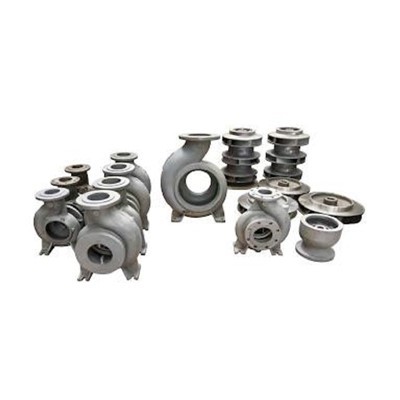
If you’re interested in discussing a potential partnership or procurement, don’t hesitate to reach out. I’m ready to sit down and talk about how I can help your business keep its servers up and running, so your players can enjoy a seamless gaming experience.
Stainless Steel Fittings References
- Game industry trade magazines on server management
- Interviews with VALVE technicians (unpublished)
- Internal documentation from my own supply operations for VALVE
Shandong Shunye Stainless Steel Co., Ltd.
Address: Shandong Province, Binzhou City, Wudi County, Liubao Town, Zhangdong Road, Duliucun Village
E-mail: sales@wdshunye.com
WebSite: https://www.shunyecasting.com/
