Working in the firefighter safety switch supply industry, I’ve seen firsthand the crucial role these devices play in protecting various environments. Museums, with their irreplaceable artifacts and historical treasures, are among the most sensitive areas where fire safety is paramount. In this blog post, I’ll delve into how a firefighter safety switch works in a museum setting, exploring its components, functions, and the unique considerations museums must take into account. Firefighter Safey Switch
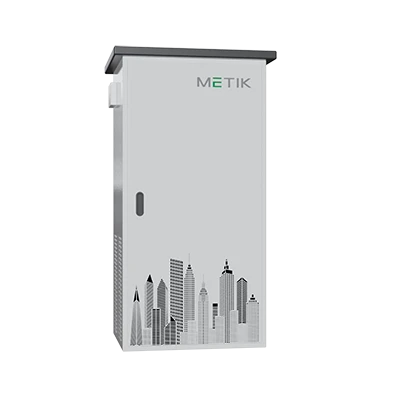
Understanding the Basics of a Firefighter Safety Switch
A firefighter safety switch, also known as a fireman’s switch or a fire safety disconnect, is a critical piece of electrical equipment designed to provide firefighters with a means to safely isolate the electrical power supply to a building during a fire or other emergency. By disconnecting the power, the risk of electrical shock to firefighters is reduced, and the spread of fire through electrical wiring can be minimized.
The switch is typically installed near the main electrical entrance of a building, where it can be easily accessed by firefighters. It is connected to the main electrical service panel and is designed to interrupt the flow of electricity to all circuits in the building when activated.
Key Components of a Firefighter Safety Switch
Switch Mechanism
The heart of the firefighter safety switch is the switch mechanism itself. This is usually a large, heavy-duty switch that can handle the high electrical loads typically found in commercial buildings. The switch is designed to be easily operated by firefighters, even in stressful and dangerous situations. It often features a large, visible handle that can be quickly and easily flipped to the off position.
Enclosure
The switch is housed in a protective enclosure, which helps to prevent damage to the switch and to protect it from the elements. The enclosure is typically made of a durable material, such as steel or aluminum, and is designed to be resistant to fire, water, and impact. It also has a clear window or panel that allows firefighters to easily see the position of the switch.
Locking Device
To prevent unauthorized operation of the switch, a locking device is often installed on the enclosure. This can be a simple padlock or a more sophisticated key-operated lock. The key to the lock is usually kept by the building owner or manager and is made available to firefighters in case of an emergency.
Signage
Clear signage is essential for a firefighter safety switch. The switch should be clearly labeled as a "Firefighter Safety Switch" or something similar, and the location of the switch should be clearly marked on a floor plan or other building map. In addition, the switch should have instructions on how to operate it, including any special procedures or precautions that need to be taken.
How the Firefighter Safety Switch Works in a Museum
Detection and Activation
In a museum, the firefighter safety switch is typically activated by the building’s fire alarm system. When the fire alarm is triggered, a signal is sent to the switch, which automatically disconnects the electrical power to the building. This helps to prevent the spread of fire through electrical wiring and reduces the risk of electrical shock to firefighters.
Some museum fire alarm systems also have a manual activation feature, which allows firefighters to activate the switch directly if necessary. This can be useful in situations where the fire alarm system is not working properly or where firefighters need to quickly disconnect the power to a specific area of the building.
Isolating Electrical Systems
Once the firefighter safety switch is activated, it isolates the electrical power supply to the entire museum or a specific area of the building, depending on the configuration of the switch. This means that all electrical equipment, including lighting, heating, ventilation, and air conditioning (HVAC) systems, and security systems, will be turned off.
By isolating the electrical systems, the risk of electrical shock to firefighters is reduced, and the spread of fire through electrical wiring can be minimized. In addition, turning off the HVAC systems can help to prevent the spread of smoke and fire throughout the building.
Protecting Artifacts and Exhibits
One of the unique challenges in a museum setting is protecting the valuable artifacts and exhibits from damage during a fire. The firefighter safety switch plays an important role in this process by providing a way to quickly and safely disconnect the power to sensitive electrical equipment, such as lighting fixtures, display cases, and multimedia installations.
By turning off the power to these devices, the risk of damage from electrical surges or overheating is reduced. In addition, some museum fire safety systems are designed to automatically lower the temperature and humidity levels in the building when the fire alarm is triggered, which can help to protect the artifacts from damage.
Unique Considerations for Museums
Preservation of Artifacts
Museums are home to some of the world’s most valuable and irreplaceable artifacts, which require special care and protection. The firefighter safety switch must be designed and installed in a way that minimizes the risk of damage to these artifacts during a fire or other emergency.
For example, the switch should be located in a position that is easily accessible by firefighters but does not pose a risk to the artifacts. In addition, the switch should be designed to operate smoothly and quietly, without causing any vibrations or movements that could damage the artifacts.
Integration with Other Safety Systems
Museums typically have a variety of other safety systems in place, such as fire alarms, sprinklers, and security systems. The firefighter safety switch must be integrated with these systems to ensure that they work together effectively in the event of a fire or other emergency.
For example, the switch should be connected to the fire alarm system so that it can be automatically activated when the alarm is triggered. In addition, the switch should be designed to work in conjunction with the sprinkler system to ensure that the water used to extinguish the fire does not cause any electrical damage.
Compliance with Regulations
Museums are subject to a variety of local, state, and federal regulations regarding fire safety. The firefighter safety switch must be designed and installed in compliance with these regulations to ensure that the museum is in full compliance with the law.
For example, the switch must be UL-listed or meet other recognized safety standards. In addition, the switch must be installed by a qualified electrician and must be inspected and maintained regularly to ensure that it is in good working condition.
The Importance of Regular Maintenance and Testing
Like any other electrical equipment, the firefighter safety switch requires regular maintenance and testing to ensure that it is in good working condition. This includes inspecting the switch for damage, checking the connections for tightness, and testing the operation of the switch to ensure that it activates properly.
In addition, the switch should be tested at least once a year to ensure that it is working correctly. This can be done by a qualified electrician, who will use specialized equipment to test the switch and to ensure that it meets all safety standards.
Contact for Procurement

As a supplier of firefighter safety switches, I understand the unique needs and challenges of museums when it comes to fire safety. Our products are designed and manufactured to the highest standards of quality and reliability, and we offer a range of models to suit the specific requirements of your museum.
Injection Molded Products If you’re interested in learning more about our firefighter safety switches or discussing your procurement needs, please don’t hesitate to contact us. We’ll be happy to provide you with more information and to answer any questions you may have.
References
- National Fire Protection Association (NFPA). "NFPA 70: National Electrical Code."
- International Fire Code (IFC). "International Fire Code."
- Underwriters Laboratories (UL). "UL 98: Safety Standard for Enclosed and Dead-Front Switches."
Wuxi Metik Precision Machinery Co., Ltd.
With over 25 years’ experience, we are one of the most reliable firefighter safey switch manufacturers and suppliers in China. We warmly welcome you to buy customized firefighter safey switch made in China here from our factory. If you have any enquiry about cooperation, please feel free to email us.
Address: Tsinghua Innovation Building, Huishan Economic Development Zone, Wuxi
E-mail: info@metik-metal.com
WebSite: https://www.metikmetal.com/
