Hey everyone, thanks for stopping by. Today I wanna talk about something that comes up ALL the time from our customers—especially the EMS and first response crews we work with: AED electrode pad shelf life. If you’re using AEDs or stocking electrode pads (whether for defibrillation, hysiotherapy, or whatever else), you’ve probably stared at that tiny date on the packaging and wondered, “Is this really good until then? Or do I need to swap it early?” As a supplier who’s been in this game for years (we’re the folks you call when you need consistent, reliable AEDs and those sticky electrode pads), I see how easy it is to sleep on this detail. AEDs save lives when they’re done right, and the pads are half that equation—so let’s break this down like we’re chatting over a coffee, not a medical textbook. AED, Hysiotherapy Electrode Pads
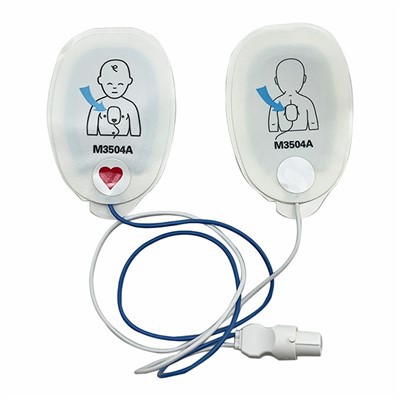
First off, let’s cut through the noise. The printed expiration date on AED electrode pads? That’s not just a random sticker the factory slaps on. It’s calculated based on how the pads are made, what they’re made of, and how they should be stored. Now, most people don’t realize that there are two main “life stages” here: the shelf life before you open the package, and the “usable time” after you pull ‘em out and peel the backing. But we’ll get to the open package part later—let’s start with the unopened ones, since that’s where most of the confusion is.
From what we’ve gathered working with med techs and AED manufacturers, unopened AED electrode pads generally have a shelf life of 2 to 5 years. Wait, that’s a big range, right? Why the difference? Let’s unpack that. It all ties back to the pad’s core components: the adhesive, the conductive gel, and the electrodes themselves.
Adhesive is a big one here. If it’s the kind that stays sticky, not drying out or breaking down, that’s what keeps the pad stuck to a person’s chest when you’re in a panic during a cardiac event. If the adhesive goes bad—gets brittle, loses its tack—you can bet the pad’ll peel off mid-shock, and that’s useless. Then there’s the conductive gel. That’s not just glue with electricity in it; it’s the stuff that carries the shock from the AED to the heart. If the gel dries out, separates into crumbly goop, or gets contaminated (even from tiny gaps in the packaging), the AED might not read the heart rhythm right, or the shock might not get delivered properly. That’s a problem you don’t wanna have when someone’s life is on the line.
Now, not all electrode pads are the same. We carry a mix—some for general AED use, some that double for hysiotherapy (yeah, that’s our hysiotherapy line too, for the folks doing PT or pain management), and the shelf life varies a little between those. The hysiotherapy pads, for example, often have a slightly shorter shelf life if they’re made with more sensitive gel for long-term use, but they still fall in that 2-5 year window when unopened. A lot of our customers who have both AEDs and hysiotherapy equipment buy in bulk from us, and we always flag the different expiration windows so they don’t mix up stock.
Wait, but here’s the trick: that 2-5 year number assumes you’re storing the pads correctly. That’s a huge “IF” most people ignore. If you stash your AED in a hot garage, or a cold shed that drops below freezing, or leave it somewhere with super high humidity? That date on the box is gonna be way less accurate. I’ve seen pads go bad in 18 months because someone left the AED in their work truck in the Arizona summer sun—totally avoidable, but easy to do if you don’t think about it. The sweet spot for storage is cool, dry, room temperature—like 50 to 80 degrees Fahrenheit, not in direct sunlight, not in a damp place. Keep ‘em in the original packaging, too—don’t tear the box open early to “check” the pads; the packaging is designed to keep air and moisture out, which is what extends the shelf life.
Now, what happens when the pad is past the expiration date? I don’t care what someone tells you—don’t risk it. Yeah, some might still work, but why gamble? We’ve had customers who waited a few months past the date and had a pad that wouldn’t stick, or the AED kept giving a “pad check” error because the gel was bad. For hysiotherapy, expired pads might not conduct the current right, so the treatment doesn’t work, or you get weird discomfort for the patient. It’s not worth cutting corners here.
But here’s another question: what if you open the package before the expiration date, but don’t use the pad? Can you save it for later? For example, if you pull a pad out of the AED kit because you need to check something, then put it back? Most manufacturers (and us, as the supplier) recommend against that. Once you open the sealed packaging, you expose the conductive gel and adhesive to air, which starts drying them out immediately. For emergency AED pads, you use them right when you open them—no storing opened pads. For hysiotherapy electrode pads, if you open a package and only use one, you can sometimes cover the unused one tightly with plastic wrap and stick it back in a cool drawer, but that’s only a temporary fix (like a week max, not months). Don’t plan on reusing opened pads, period.
Another thing I get asked all the time: can I extend the shelf life of my pads? Short answer, not really. They’re what they are, chemically speaking. But you can manage the shelf life properly so you don’t have expired pads sitting around. Here’s a quick tip from our team: use the “first in, first out” method for your stock. When we ship you new pads, don’t stick the new ones in front of the old ones—put the oldest expiration dates at the front, so you use those up first. We even label every single order we send out with the lot number and expiration date clearly, so it’s easy to track. For AEDs, most AEDs themselves have a longer shelf life (like 5-10 years), but the pads are the disposable part that needs swapping every couple years, so that’s the part you gotta stay on top of.
Wait, let’s talk about some real-world stuff I’ve seen, not just the textbook stuff. Last year, we had a small clinic order 100 hysiotherapy electrode pads from us. They stored them in a storage closet by the boiler, which was always 90 degrees plus in the winter. When they went to use them at the 1-year mark, half of ‘em were brittle, the adhesive was peeling off the pad. They called us panicking, and turns out their storage was the problem, not the shelf life. After we explained that, they moved the pads to a cabinet in the exam room, and the rest of their stock was good until the expiration date. That’s the kind of thing that doesn’t get talked about enough—storage is way more impactful than the printed date.
Also, what about lot numbers? Every batch of pads we make has a unique lot number, which is tied to when they were manufactured and their expiration date. If you ever have a question, even a year after you got your order, you can shoot us a note with the lot number and we can tell you exactly how much life is left on those pads. No need to dig through old order forms or guess. That’s the kind of support we offer, because we don’t just sell you pads—we’re here for the long haul when you need to keep your equipment ready.
Let’s also clear up a common myth: some people think “expiration date = when the pad stops working entirely.” Nah, it’s more like when the manufacturer can no longer guarantee it will work as intended. Before that date, they’ve tested the pads over time to make sure the adhesive holds, the gel conducts properly, and the electrode is calibrated to send the right current. After that date, they don’t make that guarantee, and neither should you. For hysiotherapy pads, that’s when you might start seeing inconsistent results—patients say the treatment doesn’t feel as strong, or there’s static, which is a sign the gel is breaking down. For AED pads, that’s a safety risk, plain and simple.
Now, I know stocking pads can feel like a hassle. You don’t wanna be ordering new ones every year, but you also don’t wanna be stuck with expired pads when you need ‘em. That’s why we make it easy for our customers—we send friendly reminders before their stock is about to expire, so they can order more ahead of time. We also offer bulk pricing for regular customers, which cuts down on costs, so you can keep fresh pads on hand without breaking the bank. Whether you’re a small clinic, a gym, a fire department, or a PT clinic stocking hysiotherapy pads, we adjust to what you need.
Wait, one last thing: what about if you travel with your AED? Like, if you’re a first responder going to a event, or a gym rep taking an AED to a tournament? Don’t leave the pads in the AED in a hot car or a cold RV. Keep them in a insulated bag with the AED, away from extreme temps. I’ve seen AEDs left on the dashboard in 100-degree heat at a outdoor concert, and when they checked the pads, they were dry and useless. It’s a 2-second fix to toss the pads in a separate small case when you’re moving the AED around, and it saves you from a disaster if something goes wrong.

At the end of the day, shelf life isn’t just a sticker—it’s about keeping your equipment reliable, whether you’re saving a life with an AED or helping a patient with hysiotherapy. The last thing we want is for someone to have a bad experience because they ignored an expiration date or stored pads wrong. That’s why we’re upfront about all this when you order from us, no hidden fine print. If you’re wondering about your current stock, or need to place an order for new AED pads or hysiotherapy electrode pads, don’t hesitate to reach out. We can help you figure out how to best manage your stock, make sure you get the right products, and answer any other questions you have—no jargon, no hassle.
Medical Wearable Solutions References:
- American Heart Association. (2020). AED Component Maintenance and Shelf Life Guidelines.
- International Organization for Standardization (ISO). (2018). Medical Electrical Equipment: Defibrillators for Medical Use – Particular Requirements for Safety and Essential Performance (ISO 10601:2018).
- Medical Device and Diagnostic Industry (MDDI). (2021). Shelf Life and Storage Considerations for Disposable Medical Electrodes.
- American Physical Therapy Association (APTA). (2022). Hysiotherapy Electrode Best Practices for Clinical Settings.
Shenzhen Omori Biological Technology Co., Ltd.
We’re well-known as one of the leading AED, hysiotherapy electrode pads manufacturers and suppliers in China. We warmly welcome you to wholesale high quality AED, hysiotherapy electrode pads made in China here from our factory. If you have any enquiry about customized service, please feel free to email us.
Address: Floor4, No43, Langkou Industrial park, Dalang Street, Longhua District, Shenzhen City, Guangdong Province, China
E-mail: wya@omorimed.com
WebSite: https://www.omorimed.com/
