What is the cost of a wire processing line?
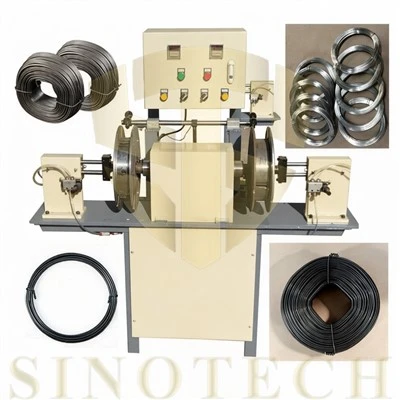
As a supplier of wire processing lines, I’m often asked about the cost associated with these highly specialized pieces of equipment. Determining the cost of a wire processing line can be a complex task since it’s influenced by numerous factors. In this blog, I’ll delve into the elements that affect the pricing of wire processing lines to help you understand what goes into that final price tag. Wire Processing Line
1. Types of Wire Processing Lines
There are different types of wire processing lines, each designed for specific functions. Basic wire cutting and stripping machines are on the lower – end of the price spectrum. These machines are relatively simple in design and are mainly used for straightforward tasks like cutting wires to a specific length and stripping the insulation. They are suitable for small – scale operations where precision requirements are not extremely high.
On the other hand, more advanced wire processing lines are capable of multiple operations such as crimping, tinning, and even complex cable assembly. These high – end systems are often fully automated and can handle large volumes of work with high precision. Naturally, the cost of these advanced systems is significantly higher due to their complexity and the additional technologies incorporated.
2. Capacity and Throughput
The capacity and throughput of a wire processing line play a crucial role in determining its cost. A line with a higher capacity, meaning it can process a larger number of wires per unit of time, will generally cost more. This is because it requires more powerful motors, larger feeding systems, and more robust overall construction to handle the increased workload.
For instance, if you need a wire processing line that can process 1000 wires per hour, it will be more expensive than a line that can only handle 100 wires per hour. The higher – capacity line may have multiple cutting and stripping stations working in parallel, as well as more advanced control systems to ensure smooth and efficient operation at high speeds.
3. Precision and Quality
Precision is a key factor in wire processing, especially in industries like electronics and automotive, where even a small deviation can lead to product failure. Wire processing lines that offer high precision and quality control features are more costly.
These precision – oriented lines are equipped with advanced sensors and measurement devices. For example, they can measure the length of the wire with extremely high accuracy and ensure that the insulation stripping is done to the exact specified length. The materials used in the construction of these lines also need to be of high quality to maintain precision over a long period of time. This includes high – grade steel for the cutting blades and durable polymers for the cable guiding components.
4. Automation Level
The level of automation in a wire processing line is another major cost determinant. Manual or semi – automated lines are generally less expensive. In a manual line, workers need to perform some tasks, such as loading the wires or adjusting the cutting and stripping settings. These lines are suitable for small – batch production where flexibility is more important than high – speed production.
Fully automated wire processing lines, however, are more expensive but offer significant benefits in high – volume production. They can perform all the necessary wire processing tasks from start to finish without human intervention. These lines often include robotic arms for handling the wires, automatic feeding systems, and self – adjusting control mechanisms. The initial investment in a fully automated line is higher, but over time, it can lead to reduced labor costs and increased productivity.
5. Customization
Many customers require customized wire processing lines to meet their specific production needs. Customization can involve altering the dimensions of the machine, adding special features, or integrating it with other production equipment.
For example, if a manufacturing company needs a wire processing line that can work with a specific type of wire that has an unusual diameter or insulation material, customization will be necessary. The cost of customization can vary widely depending on the complexity of the changes. It may involve additional engineering design work, the procurement of specialized parts, and extended testing and calibration processes.
6. Brand and Reputation
The brand and reputation of the wire processing line manufacturer also impact the cost. Well – established brands with a long history of producing high – quality, reliable equipment typically charge more for their products.
These brands have invested heavily in research and development over the years, which has resulted in cutting – edge technologies and innovative features in their wire processing lines. They also offer better after – sales service, including technical support, maintenance, and the availability of spare parts. Customers are often willing to pay a premium for the peace of mind that comes with purchasing from a trusted brand.
7. Additional Features and Accessories
Wire processing lines can be equipped with a range of additional features and accessories that enhance their functionality. Some of these include cable bundling devices, label printers, and reject sorting systems.
A cable bundling device can group multiple wires together, which is useful in applications where organized cables are required. A label printer can attach identification labels to the processed wires, making it easier for assembly and maintenance. Reject sorting systems can automatically remove defective wires from the production line, improving the overall quality of the output. These additional features add to the cost of the wire processing line, but they can also increase the efficiency and quality of the production process.
Cost Ranges
As a rough estimate, a basic manual wire cutting and stripping machine can cost anywhere from a few hundred dollars to a couple of thousand dollars. These machines are suitable for small workshops or hobbyists.
Semi – automated wire processing lines with a moderate capacity and some basic features can range from $5,000 to $20,000. These are often used in small – to – medium – sized manufacturing operations.
Fully automated, high – capacity, and precision – based wire processing lines can cost upwards of $50,000, and in some cases, especially for highly customized and extremely high – end systems, the cost can exceed hundreds of thousands of dollars.
Conclusion
Understanding the cost of a wire processing line requires a comprehensive look at multiple factors. Whether you’re a small – scale operation looking for an affordable solution or a large manufacturer in need of a high – end, automated system, there is a wire processing line to fit your budget and production requirements.
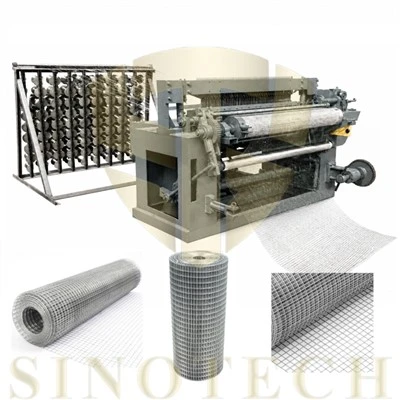
If you’re considering purchasing a wire processing line, I encourage you to have a detailed discussion with me. I can provide you with in – depth information about the various options available, help you assess your specific needs, and offer a personalized solution that meets your production goals and budget. Feel free to reach out to discuss your requirements and start the procurement process.
Nail Processing Line References:
- Industry reports on wire processing equipment.
- Technical manuals from leading wire processing line manufacturers.
Sinotech Fasteners Industry Co., Ltd.
With abundant experience, we are one of the most professional wire processing line manufacturers in China. Please feel free to buy customized wire processing line at competitive price from our factory. Welcome to contact us for quotation.
Address: No. 7, North of Bantang Avenue, Huashan Industrial Park, Chaohu Economic Development Zone, Hefei City, Anhui Province, China
E-mail: ryan@sinotechfasteners.com
WebSite: https://www.sinotech-fasteners.com/
